

By: Maria Leali, Principal, Synchronous Solutions I’ve been having a lot of conversations with friends, family members, and clients about management and organizational structure lately, so I decided to write about it. This isn’t a sales pitch. It’s because I see real people getting real results in these programs. I keep hearing from employees at…
Read more

By: Ed Montgomery, Principal, Synchronous Solutions Requisite Organization and Stratified Systems Theory (SST) are closely related but not exactly the same—they are deeply connected, with one being a practical application of the other. Here’s the difference: In short: Systems Leadership Theory, as defined by Ian Macdonald in his book Systems Leadership: Creating Positive Organizations, builds upon Stratified Systems Theory…
Read more
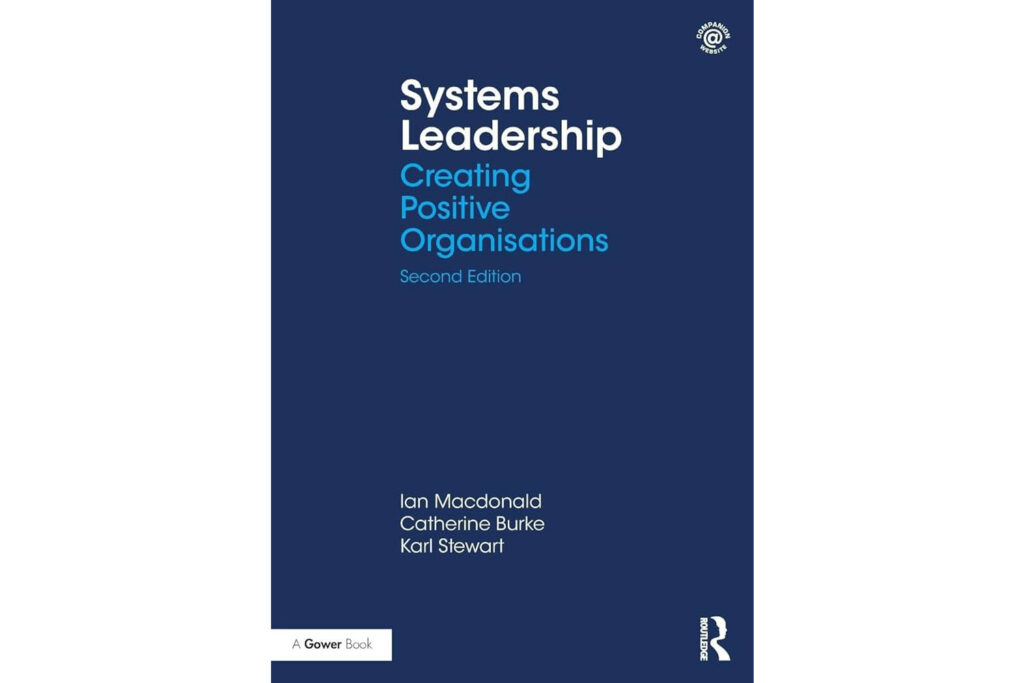
The information below is a compilation of helpful terms to understand as it relates to Systems Leadership. 1. Timespan of Discretion 2. Level of Work (LoW) 3. Role 4. Capability Capability = MPA (Mental Processing Ability) + Skills + Values 5. Accountability 6. Authority 7. Managerial Accountability Hierarchy (MAH) 8. Systems Leadership 9. The Three…
Read more

By Maria Leali, Principal, Synchronous Solutions First of all, great job on creating your vision and mission statement! It can be a challenging process, but well worth the effort. A powerful vision and mission statement can jumpstart the progress of an organization and the people in it. Since you’ve put substantial time and energy into…
Read more

By: Mark Phelps, Principal, Synchronous Solutions The concepts of responsibility and accountability often overlap. While they seem similar, they play distinct roles in fostering trust, clarity, and progress. Let’s explore the subtle but important difference between responsibility and accountability, and why distinguishing between the two is crucial for building trust and achieving success. What is…
Read more